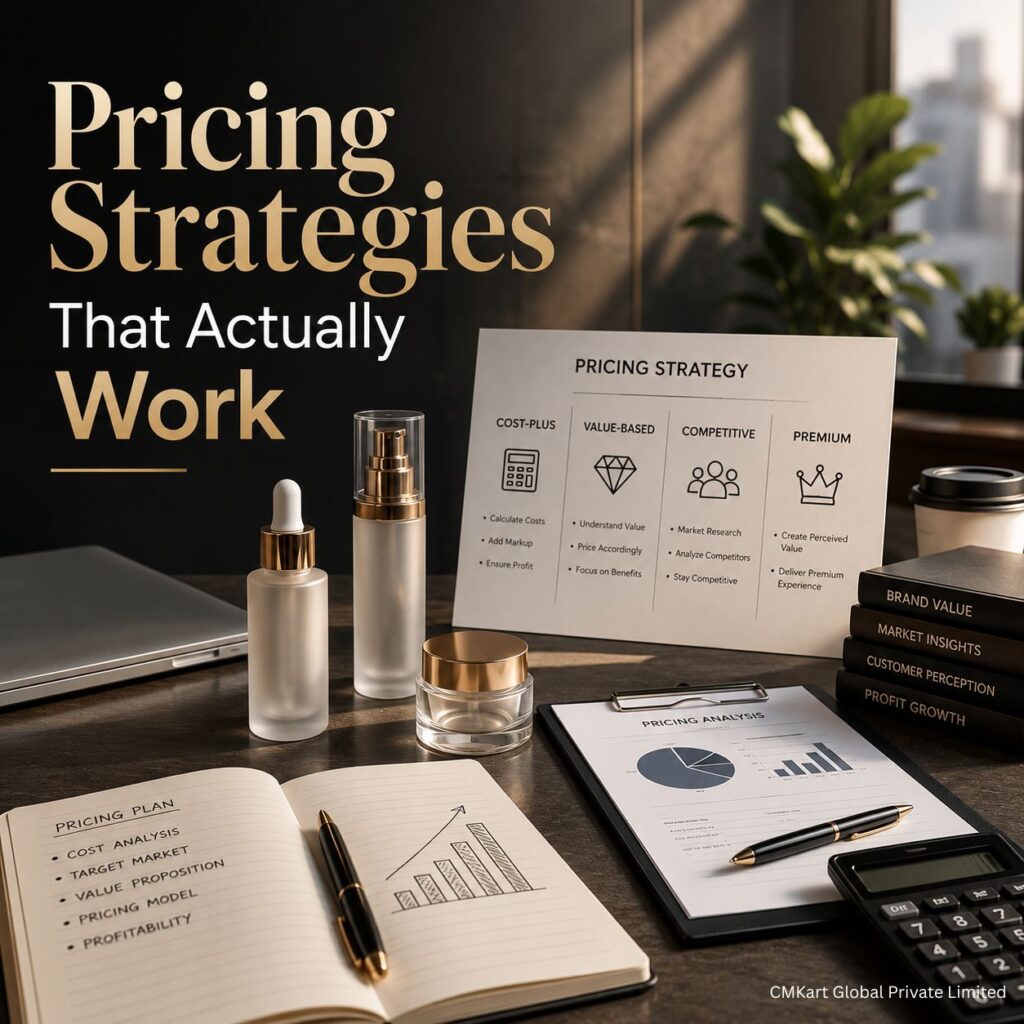
Ask any new founder how they priced their product, and you’ll usually hear some version of the same story: calculate the cost, add a margin, round to a “nice” number, and hope for the best.
It feels safe. It feels logical. It even feels responsible, like you’re being careful with the numbers instead of guessing. So most founders treat their first pricing decision as a formality, something to lock in early and revisit later, if ever. The real work, they assume, is in the product, the marketing, the sales calls. Pricing is just math you do once and move past.
Except it rarely stays that simple. A price is often the very first thing a customer evaluates before they’ve read a single word of your marketing or tried the product themselves. It sets an expectation before any explanation can. And when that expectation is based purely on what something costs to make, rather than on what it’s worth to the person buying it, the mismatch tends to show up later in stalled growth, in customers who only show up during sales, or in a brand that never quite escapes being seen as “the affordable option.”
Cost-plus pricing answers one question: What do I need to survive? It says nothing about what your product is actually worth to the person buying it. And that gap is where a lot of businesses quietly leave money on the table or, worse, position themselves as “cheap” when they meant to be “accessible.”
The Shift from Cost-Based to Value-Based Thinking
The brands that price well have usually made one mental shift: they stopped asking, “What does this cost me?” and started asking, “What does this solve for them?”
A few questions worth sitting with:
- What is the customer’s life like before and after using this product?
- What are they currently doing instead, and what does that alternative cost them in time, money, or frustration?
- Would a 10% price increase actually change who buys from you or just who complains?
None of these have purely mathematical answers. That’s the point. Pricing is a story you tell about value, and the price tag is just where that story lands. This isn’t unique to any one industry. SaaS companies price around outcomes delivered, not server costs; luxury brands price around identity and status, not materials. Beauty and personal care brands can apply the same logic: the price isn’t just covering a formula and a bottle; it’s covering how the customer will feel using it and what it says about them when it sits on their shelf.
Common Pricing Traps to Avoid
1. Racing to the bottom.
Undercutting competitors might win a sale, but it rarely wins a customer. Price wars are easy to start and hard to walk back from, and they train your market to expect discounts.
2. Pricing for the customer you have, not the one you want.
Early customers are often price-sensitive by necessity. If your long-term pricing strategy is still anchored to your very first buyers, you may be underpricing for the market you’re actually trying to reach.
3. Treating price as fixed once it’s set.
Pricing isn’t a one-time decision. As your positioning, quality, and audience evolve, your pricing should evolve with it.
4. Ignoring the signal price sends.
Price isn’t just a number; it’s information. A very low price can (fairly or not) signal lower quality, especially in categories like beauty and personal care, where perceived value matters as much as functional value.
5. Copying a competitor’s price without copying their positioning.
Matching a competitor’s number without matching their brand story, product experience, or customer perception rarely works. The price only makes sense in the context that supports it; lift the number without the context, and it can feel out of place.
How to Test Pricing Before You Commit
Pricing doesn’t have to be a one-shot guess. A few low-risk ways founders validate pricing before rolling it out fully:
- Run a limited-time offer at the new price to a small segment of your audience and watch conversion, not just revenue.
- Ask customers directly what they’d expect to pay before showing them your actual price; the gap between expectation and reality is often more revealing than any survey question about satisfaction.
- Bundle instead of discount. Adding value at the same price point often protects margins better than lowering the price outright, and it avoids training customers to wait for sales.
- Watch behavior, not just feedback. What people say they’ll pay and what they actually pay at checkout are often two different numbers. Cart abandonment and repeat purchase rates tell the real story.
Building a Pricing Strategy That Holds Up
A pricing strategy that actually works usually has three things in place:
- A clear understanding of the value delivered — not just features, but outcomes.
- Confidence in the number — pricing hesitantly tends to read as pricing incorrectly.
- Consistency across the customer journey — from how a product looks and feels to how it’s marketed and sold, everything should reinforce the price point, not undercut it.
That last point matters more than founders often expect. Packaging, presentation, and first impressions all quietly support or quietly undermine the price a customer is willing to pay. A premium serum in a flimsy plastic bottle undercuts its own price tag before a customer even opens it; a mid-range moisturizer in a beautifully weighted glass jar can justify charging more than the formula alone would suggest. Even small details like cap finish, bottle weight, and label texture accumulate into a single impression that either backs up the price or quietly argues against it.
The Bottom Line
Good pricing isn’t about finding the “right” number through a formula. It’s about understanding value clearly enough to price with confidence and building every part of the customer experience to support that price.
Founders who treat pricing as a strategic decision, rather than an afterthought, tend to build brands that last longer and grow more sustainably.
At CMKart, we work with beauty and personal care brands across India to source cosmetic packaging from airless bottles and glass jars to droppers, roll-ons, and caps in a range of finishes that reflect the price point a brand is trying to hold. Because pricing confidence doesn’t just come from the number on the label; it comes from every touchpoint that number has to justify. If you’re building a brand where packaging and pricing need to tell the same story, get in touch with our team.