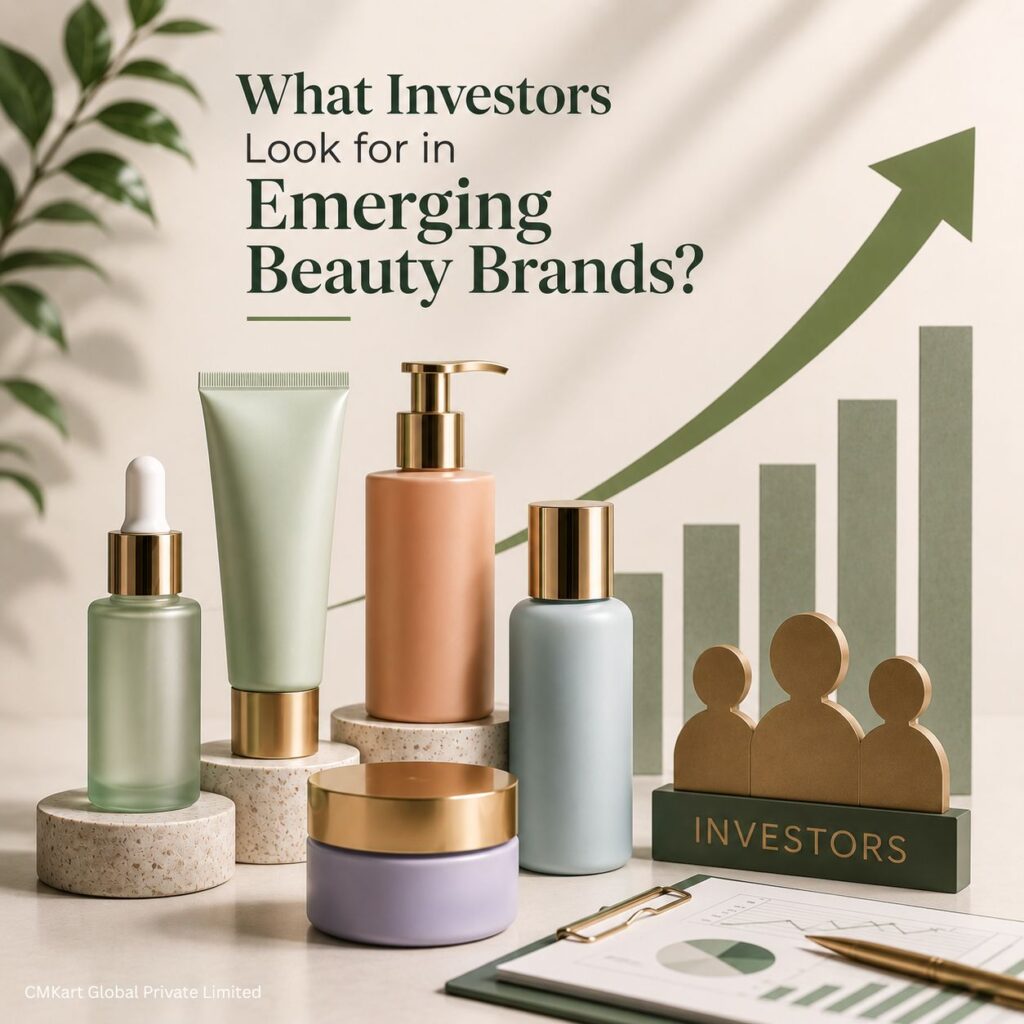
A strong product and an engaged audience are no longer enough to secure investment. Today’s investors evaluate beauty brands through a far more comprehensive lens, one that looks beyond the product itself to the systems, strategy, and scalability behind it.
For founders preparing to raise capital, understanding what investors are truly assessing can make a meaningful difference in how a pitch is received. The factors that influence investment decisions often have less to do with how a product looks or performs, and more to do with how well the business behind it has been built.
Here’s a closer look at what investors typically look for when evaluating emerging beauty brands, and how founders can position themselves accordingly.
1. A Product That Solves a Real Problem
Investors are drawn to brands that address a clear, unmet need in the market, whether that’s formulations for sensitive skin, Ayurvedic solutions with global appeal, or inclusive offerings that fill gaps left by larger brands.
A brand with a defined point of view and a problem it’s solving demonstrates the kind of market relevance investors look for.
2. Operational Readiness, Including Packaging and Supply Chain
Operational maturity is one of the clearest signals of investment readiness. A brand with a well-structured supply chain, from sourcing to packaging to fulfillment, shows that it’s prepared to scale responsibly.
Investors often consider:
- Whether the brand can scale production without compromising quality or consistency
- Whether packaging suppliers are reliable and flexible enough to support growth
- Whether the brand has access to low MOQ options for testing new products without significant capital risk
Founders who can speak knowledgeably about their packaging partners, lead times, and scalability plans tend to present a stronger overall case for investment.
3. Brand Identity That Feels Premium and Consistent
Perception plays a significant role in investment decisions. A brand that feels premium and cohesive, through its visual identity, packaging, and overall presentation, signals a clear understanding of brand-building beyond the product itself.
Luxury cosmetic packaging and a well-considered unboxing experience are particularly relevant for D2C beauty brands, where packaging often serves as a core part of the marketing strategy.
4. Sustainability as a Business Strategy
Sustainable cosmetic packaging and responsible sourcing are increasingly viewed as long-term value drivers rather than optional additions. Investors pay close attention to brands that have integrated sustainability into their operations, through recyclable materials, refillable systems, or reduced plastic use.
Demonstrating that sustainability is embedded into business strategy, rather than treated as an afterthought, can strengthen a brand’s overall positioning.
5. Margins That Make Sense
Sound unit economics remain a key consideration. Investors typically assess:
- Cost of goods sold, including packaging costs
- Pricing strategy and market positioning
- The brand’s ability to maintain healthy margins while scaling
Brands that have optimised packaging costs without compromising on quality are often better positioned to demonstrate sustainable margins.
6. Founder Clarity and Vision
At early stages, investors are evaluating the founder as much as the business itself. A clear understanding of financials, target customers, and long-term direction reflects the kind of preparedness investors value.
Clarity and strategic thinking, more than perfection, are what build investor confidence.
Final Thoughts
For emerging beauty founders, becoming investment-ready involves more than presenting a strong product. It requires demonstrating that every aspect of the business, from formulation to packaging to fulfilment, has been thoughtfully developed with scalability in mind.
At CMKart, we support beauty brands in building that operational foundation, offering custom, low MOQ, and sustainable cosmetic packaging solutions designed to grow alongside your brand.