Influencer marketing built the beauty industry as we know it today. Over the past decade, a single recommendation from the right creator could launch a product, sell out a collection, or turn an unknown indie brand into a household name overnight. For beauty and D2C founders, it became the default growth playbook: sign a few influencers, get the posts out, watch the sales roll in.
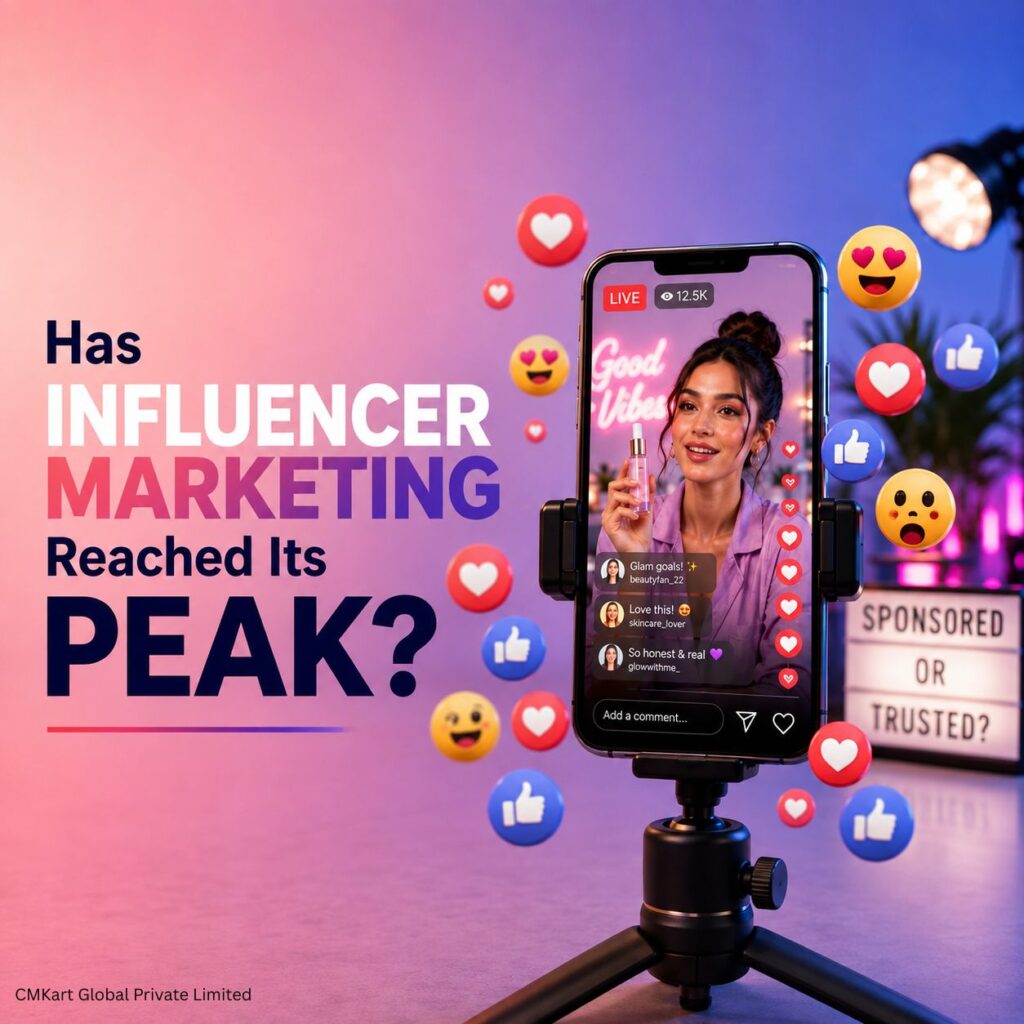
But that playbook is starting to show cracks. Engagement on sponsored content is dropping, audiences are growing more sceptical of paid promotions, and the same creators are often seen endorsing five competing brands in a single month. What once felt like a genuine recommendation now feels, to many consumers, like just another ad. This shift has left founders and marketers asking a pressing question: has influencer marketing reached its peak, or is it simply becoming something different?
The truth lies somewhere in between. Influencer marketing isn’t disappearing, but the version that worked five years ago is no longer enough on its own. For beauty brands looking to build lasting customer relationships rather than one-time sales spikes, understanding this shift is critical.
Why Audiences Are Losing Patience
Spend enough time scrolling through beauty content today, and the fatigue is obvious. The same face that promoted a serum last week is now promoting a competing serum this week and a third brand entirely the week after. Consumers have gotten sharp at spotting this pattern, and once they do, trust erodes fast.
This isn’t a minor dip. Engagement rates on sponsored posts have been declining steadily, while customer acquisition costs through influencer campaigns keep climbing. Brands are paying more to reach people who are increasingly tuning it out. At the same time, younger buyers, especially Gen Z, are turning toward peer reviews, community recommendations, and unpolished user-generated content over anything that looks like a paid endorsement. They want to hear from someone who actually bought the product, not someone who was sent it for free with a brief attached.
For any beauty brand built primarily around broad influencer reach, these are signals worth taking seriously.
But the Channel Itself Isn’t dying.
Here’s what’s easy to miss in all this: influencer marketing isn’t failing. It’s the lazy version of it that’s failing.
Look closer at what’s actually working right now, and a different picture emerges. Micro- and nano-influencers, creators with smaller, tightly engaged audiences, are consistently outperforming big-name creators on trust and conversion. A founder who partners with two or three creators who genuinely use and believe in the product and sticks with them over months instead of a single sponsored post tends to see far stronger results than a brand that runs a scattered, twenty-influencer campaign for one launch. Long-term partnerships build a kind of credibility that a one-off post simply can’t fake.
This is the real story behind the so-called peak. It’s not that influence has stopped working. It’s that audiences have got better at telling the difference between genuine advocacy and rented attention, and they’re rewarding the former.
The Part Most Brands Overlook
Here’s the piece that often gets missed in this conversation: an influencer’s job was never to sell the product forever. Their job is to get someone to notice it, to create that first moment of curiosity that leads to a purchase. What happens after that click is entirely up to the brand.
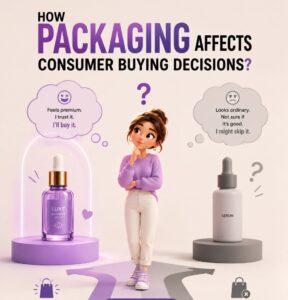
And this is where a lot of beauty and personal care brands quietly lose the customers they worked so hard to win. The influencer post did its job. The customer clicked, bought, and waited for their order to arrive. Then the box shows up, and it feels ordinary. Generic packaging, a flimsy cap, nothing that matches the story the brand told in its marketing. That disconnect is often where the relationship ends, no matter how good the product itself is.
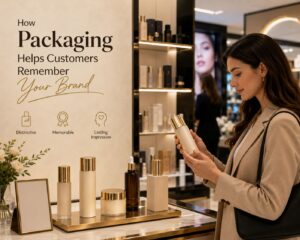
Closing that gap is where the real opportunity lies. The packaging a customer holds, the way a bottle feels in their hand, the finish on a cap, the moment they open the box for the first time, these aren’t small details. They’re the brand’s second impression, right after the influencer’s post created the first one. For emerging beauty and D2C brands, packaging and branding deserve the same level of thought as the marketing campaign that brought the customer there in the first place.
What This Actually Means for Founders
If you’re a founder trying to make sense of where influencer marketing is headed, the shift is really an invitation to think differently rather than a reason to panic.
It means choosing a handful of creators who genuinely align with your brand instead of chasing the widest possible reach. It means committing to those partnerships for months, not single campaigns, so the relationship reads as real rather than transactional. And it means recognising that the influencer post is only the opening move; what happens when the product physically reaches the customer is where the real brand-building happens.
The founders getting this right aren’t necessarily spending more on influencer marketing. They’re spending more thoughtfully and they’re making sure that everything downstream of that first click, from the product itself to the packaging it arrives in, lives up to the promise the influencer made on their behalf.
Final Thoughts
Influencer marketing hasn’t hit a dead end. It’s hit a filter. The broad, transactional version of it is losing steam, while the intentional, relationship-driven version is just getting started. For beauty and D2C founders, the real opportunity isn’t choosing whether to keep using influencers; it’s making sure that once a customer arrives because of one, everything else about the experience gives them a reason to stay.