In the beauty industry, trust isn’t earned through a tagline. It’s earned in the three seconds before a customer reads one. Before ingredient lists, reviews, or brand stories come into play, packaging has already made its case or lost it.
This is the moment most brands overlook. Marketing teams spend weeks perfecting product copy, while the packaging that actually reaches the customer first is treated as a final, almost administrative step. Yet in retail environments whether on a shelf or scrolling through a screen packaging is the only “salesperson” present at the exact moment a purchase decision is being formed. There’s no founder there to explain the formula. No customer service rep to answer questions. Just the container, doing all the talking.
For emerging beauty founders, understanding which packaging elements signal credibility isn’t optional. It’s foundational to brand growth. A brand with an exceptional formula but unconvincing packaging will consistently underperform against a brand with an average formula and packaging that feels premium, safe, and intentional. This isn’t a flaw in consumer judgment, it’s a reflection of how trust is actually built: incrementally, sensorially, and often before logic gets involved.
Why Packaging Is the First Trust Signal
Consumers form judgments about product quality almost instantly upon physical or visual contact. In a category as personal as skincare and cosmetics, that judgment carries weight literally and figuratively. A jar, bottle, or container isn’t just a vessel; it’s a promise the brand is making before any words are exchanged.
This is especially critical for new and independent beauty brands competing against established names. Packaging often becomes the great equalizer or the silent disqualifier.
The Core Elements That Build Instant Trust
1. Perceived Weight and Material Quality
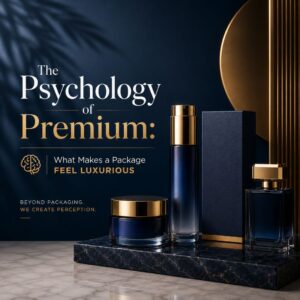
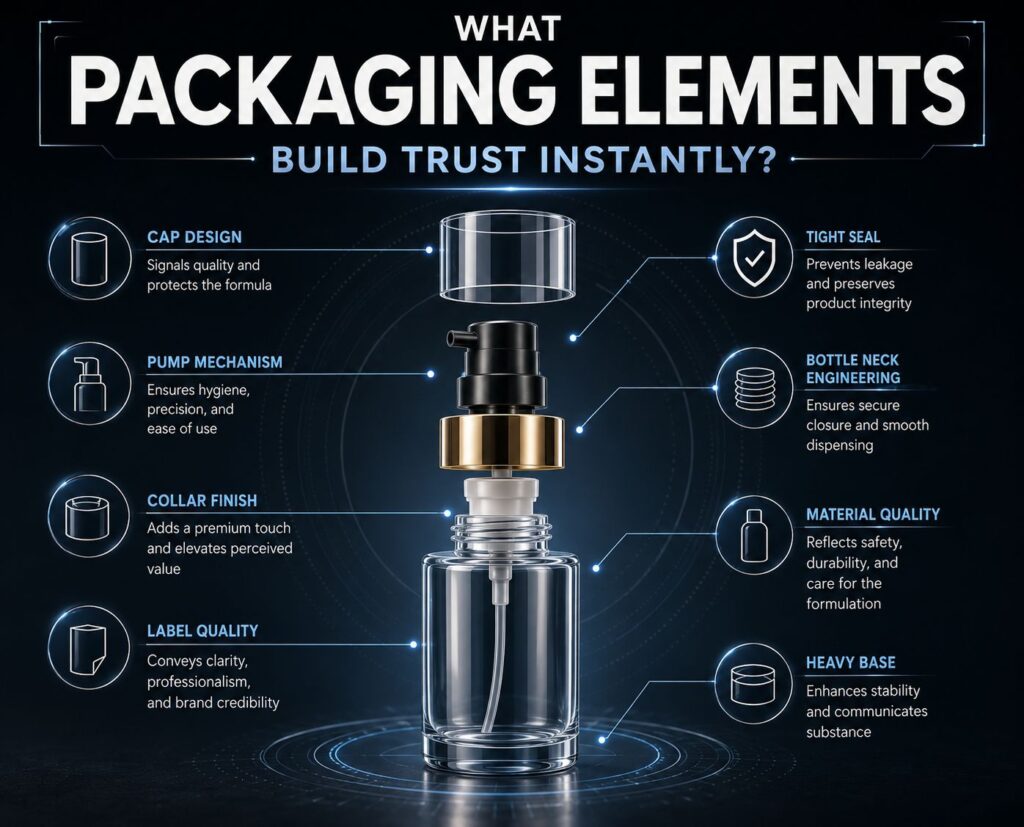
Heft communicates value. A container that feels substantial in the hand whether glass, weighted plastic, or premium composite signals quality before the product inside is even tested. Lightweight or flimsy packaging, regardless of formula excellence, can undercut a premium positioning before it has a chance to prove itself.
2. Precision in Finish and Function
Smooth cap rotations, snug seals, accurate pump dispensing, and seamless construction all serve as unconscious quality checkpoints. Customers may not articulate why a product “feels premium”, but precision finishes are often the reason.
3. Transparency in Design and Labeling
Clear glass formats, visible product levels, and honest, legible labelling build credibility by letting customers see exactly what they’re purchasing. Transparency, both literal and informational, reduces hesitation at the point of purchase.
4. Consistency Across Product Lines
A cohesive design language across an entire product range signals an established, intentional brand rather than a single experimental launch. Consistency in cap finishes, typography placement, and bottle silhouettes across SKUs reinforces brand maturity.
5. Sustainable and Responsible Materials
Recyclable glass, minimal plastic use, and refillable packaging formats are increasingly read by consumers as markers of trustworthiness, not just environmental responsibility. Sustainable packaging choices have shifted from a nice-to-have to a baseline expectation among informed buyers.
6. Tamper-Evidence and Secure Closures
Induction seals, shrink bands, and snap-lock closures do more than protect product integrity. they reassure customers that what they’re buying hasn’t been opened, altered, or compromised. In personal care categories, this safety signal is often a non-negotiable trust factor, particularly for first-time buyers unfamiliar with the brand
7. Color and Finish Alignment with Brand Positioning
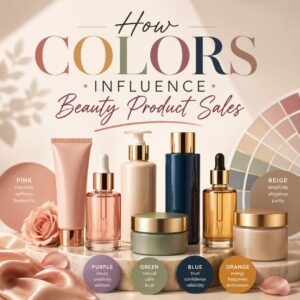
Matte finishes read as minimal and clinical. Glossy finishes read as vibrant and youthful. Metallics read as luxury. When colour and finish choices align with a brand’s intended positioning, packaging reinforces the brand promise instead of contradicting it. Mismatched aesthetics, a budget finish on a premium-priced product, for example, create subconscious doubt before a customer even reads the price tag.
8. Ergonomic, Intuitive Design
Packaging that’s easy to grip, dispense from, and use without spillage or struggle builds trust through function, not just appearance. Frustrating user experiences with caps that are hard to open, pumps that clog, droppers that overdispense quietly erodes confidence in the brand’s attention to detail, even if the formula performs well.
Why This Matters More for Emerging Brands
Established brands have the cushion of recognition. Emerging founders don’t. For new beauty brands, every packaging decision is doing double duty protecting the product and building the case for credibility simultaneously.
This is why packaging strategy should be addressed early, not as an afterthought once the formula is finalized. The right packaging partner can help founders avoid costly trial-and-error and instead make material, finish, and design decisions that align with their brand’s trust-building goals from day one.
Final Thought
Trust, in beauty retail, is rarely won through persuasion. It’s won through perception and perception starts the moment a product is held, opened, or seen on a shelf. Founders who treat packaging as a trust-building tool, not just a containment solution, position their brands to compete with credibility from launch.
At CMKart, we work with emerging beauty brands to translate this principle into practical packaging decisions material selection, finish quality, and design consistency that build trust at first touch.