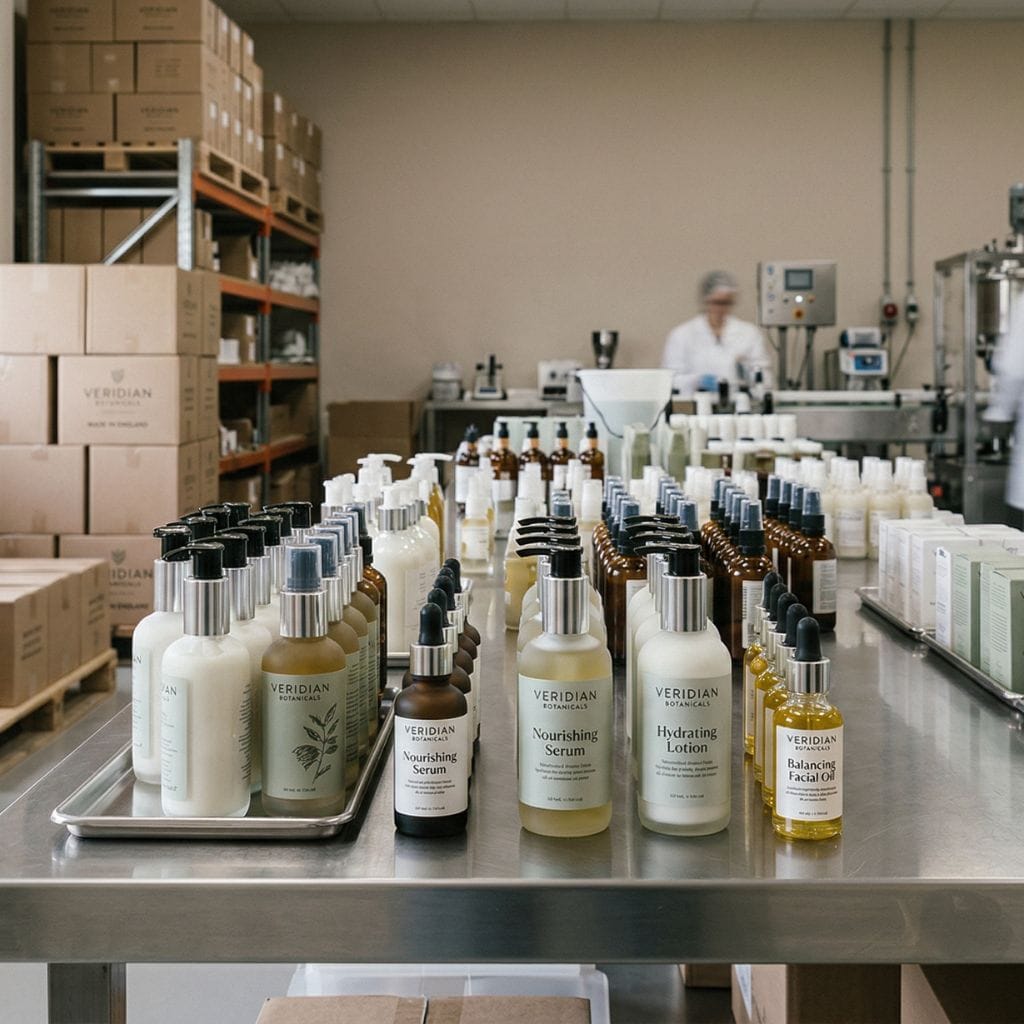
You’ve nailed your formula. Orders are coming in. But somehow, your packaging is always the bottleneck. Sound familiar? You’re not alone — packaging delays are one of the top reasons cosmetic brands struggle to scale.
Why packaging delays happen in the first place
Most manufacturers focus heavily on product quality — and rightly so. But when the product is ready and the packaging isn’t, everything stalls. Production timelines slip. Customers wait. Revenue gets delayed.
The root cause is almost always one of three things: poor planning, unreliable suppliers, or last-minute customization requests. Let’s break each one down
📦Poor planning: Ordering packaging too late in the production cycle with no buffer time.
🔗Unreliable suppliers: Working with vendors who miss deadlines or deliver inconsistent quality.
🎨Late customization: Design changes or approvals happening too close to the production date.
The real cost of a packaging delay
It’s easy to think of a packaging delay as just a minor inconvenience. But for a growing cosmetic business, the costs add up fast.
→Your manufacturing team sits idle, wasting paid hours
→Retailer deadlines get missed, risking shelf space
→Customer orders are delayed, hurting brand reputation
→You rush-order packaging at a higher cost, eating into margins
→Cash flow gets disrupted as invoices sit unpaid
Quick stat: Industry studies show that packaging-related delays account for nearly 30% of production stoppages in small-to-mid scale cosmetic manufacturing.
5 steps to eliminate packaging delays for good
1. Plan packaging alongside your formula, not after most brands start thinking about packaging only after the formula is finalized. Flip that. As soon as you know your product format — serum, cream, powder — start the packaging conversation. Lead times for quality packaging can be 3–6 weeks, sometimes longer for custom orders.
What to look for in a packaging supplier when you’re scaling
As your volume grows, your supplier needs to grow with you. Here’s a simple checklist of what a dependable bulk packaging partner looks like:
- Transparent and realistic lead times, communicated upfront
- Consistent quality across batches — not just the first sample
- Flexible MOQ options so you can test before going full scale
- Strong import and logistics experience, especially for international sourcing
- A single point of contact who understands your production calendar
- Quick response times when issues arise — because they sometimes do
Pro tip: When evaluating a packaging supplier, don’t just ask for a price list. Ask them: “What happens if there’s a delay on your end?” How they answer tells you everything about how reliable they’ll be when it matters most.
The bottom line
Packaging delays don’t have to be a part of your growth story. With the right planning, the right buffer strategy, and the right supplier behind you, your packaging can go from being a constant headache to a genuine competitive advantage.
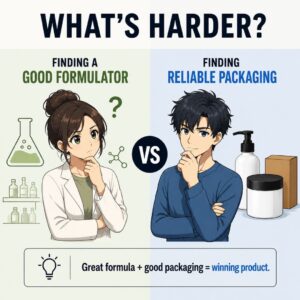
The brands that scale fastest aren’t always the ones with the best formula. They’re the ones whose entire supply chain — including packaging — runs like clockwork.